The Benefits of Brain-Stimulating Activities in Assisted Living
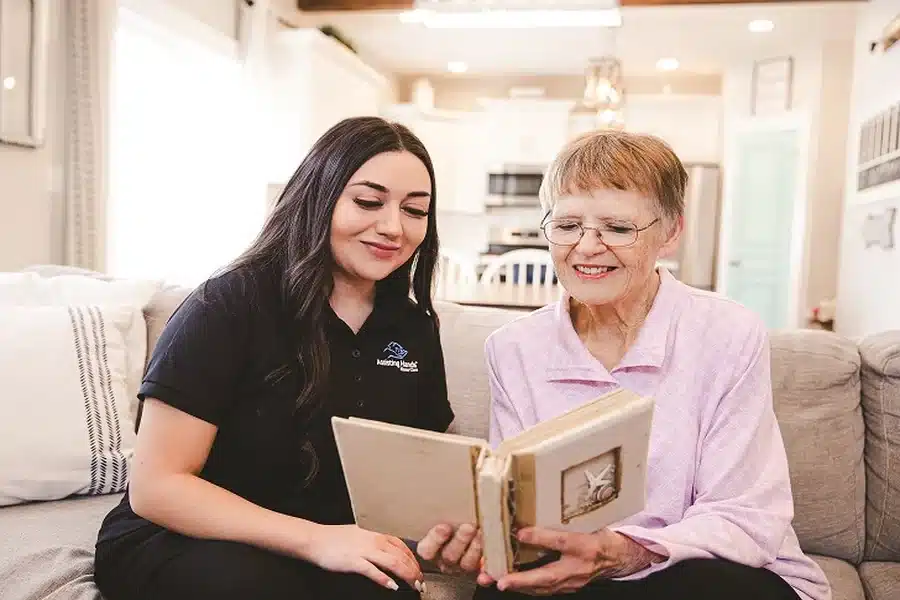
Caring for seniors involves more than just meeting their physical needs. Mental health and cognitive function are just as important for overall well-being, especially in a Logan assisted living environment. One of the most effective ways to support cognitive health is through brain-stimulating activities. These activities not only keep the mind sharp but also improve mood, reduce feelings of isolation, and enhance overall quality of life for residents.
Why Brain Stimulation Matters for Seniors
As people age, the brain undergoes natural changes, including slower processing speeds and, in some cases, memory decline. Engaging in mentally stimulating activities helps keep the brain active, strengthens neural connections, and may even reduce the risk of cognitive disorders such as dementia. In assisted living facilities, these activities play a key role in promoting independence and confidence among residents.
Types of Brain-Stimulating Activities
Brain-stimulating activities come in many forms, allowing residents to participate in ways that best suit their interests and abilities. Some of the most popular and effective options include:
- Puzzles and Games: Crossword puzzles, Sudoku, card games, and jigsaw puzzles are excellent for improving problem-solving and memory skills. They also provide a sense of accomplishment once completed.
- Reading and Storytelling: Reading books, newspapers, or short stories keeps the mind engaged with new information. Group storytelling or book clubs add a social element, which makes the experience even more enjoyable.
- Arts and Crafts: Painting, knitting, or other creative outlets challenge the brain while providing relaxation and emotional expression.
- Music and Singing: Listening to music, playing an instrument, or singing can trigger positive memories and improve cognitive recall.
- Technology-Based Activities: Many assisted living communities now incorporate tablets and computers, offering memory games, brain-training apps, or even virtual reality experiences.
Emotional and Social Benefits
Brain-stimulating activities aren’t just about memory or mental sharpness. They also have profound emotional benefits. Activities that engage the mind provide structure and purpose to a resident’s day, helping combat feelings of loneliness or depression. Group activities, such as trivia nights or book clubs, encourage social interaction and foster friendships, which further boosts emotional well-being.
Encouraging Lifelong Learning
One of the most powerful aspects of brain-stimulating activities is their ability to promote lifelong learning. Seniors in assisted living often enjoy learning new skills, whether it’s trying a new type of craft, mastering a technology tool, or exploring a new topic through lectures or workshops. This sense of discovery helps residents feel empowered, capable, and connected to the world around them.
A Path to Better Living
In assisted living communities, brain-stimulating activities are more than just entertainment—they are essential to supporting holistic health, especially in settings like residential care gold coast, where maintaining cognitive wellbeing is a core part of daily support. They contribute to sharper minds, happier moods, and stronger social connections. By prioritizing mental engagement, assisted living facilities create an environment where residents can thrive and continue to enjoy meaningful, fulfilling lives.