Scalp micropigmentation suitability assessment for different skin types
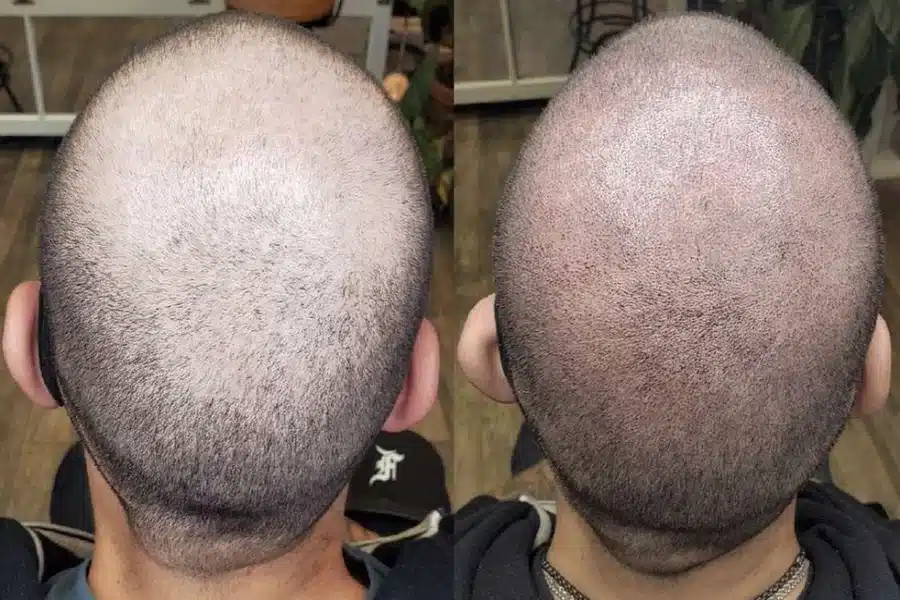
Individual skin characteristics significantly influence scalp micropigmentation outcomes, requiring thorough assessment before treatment to ensure realistic expectations and optimal results. Professional practitioners evaluate multiple factors, including skin type, medical history, scalp conditions, and lifestyle, that affect treatment success. Scalp Micropigmentation Miami specialists emphasize comprehensive evaluation processes that identify ideal candidates while addressing potential complications before treatment begins. These assessments protect practitioners and clients by establishing realistic outcome expectations while identifying contraindications that might compromise results.
Skin type evaluation criteria
- Oily skin types present unique challenges for scalp micropigmentation due to increased sebum production that can affect pigment retention and healing characteristics. Excess oil production may cause faster pigment fading while potentially creating healing complications that require modified aftercare approaches.
- Dry skin conditions often provide favourable environments for scalp micropigmentation with good pigment retention characteristics and predictable healing patterns. However, dehydrated skin may require pre-treatment conditioning to optimize healing while preventing excessive flaking that could affect pigment settling.
- Sensitive skin assessments identify individuals prone to inflammatory responses that could complicate healing or affect final appearance quality. Patch testing may be recommended for clients with known sensitivities, while modified techniques can accommodate reactive skin types.
- Mature skin considerations include reduced elasticity, slower healing rates, and different pigment retention characteristics that affect treatment planning and outcome expectations. Age-related skin changes require adjusted techniques, while realistic timeline expectations account for extended healing periods.
Scalp condition evaluation
- Hair loss patterns influence treatment design and pigment placement strategies that create realistic appearances matching individual loss characteristics. Male pattern baldness requires different approaches than diffuse thinning while scarring alopecia presents unique challenges that require specialized techniques.
- Scalp scarring from previous surgeries, injuries, or medical conditions requires specialized evaluation to determine treatment feasibility and expected outcomes. Scar tissue may respond differently to pigmentation while requiring modified techniques that account for altered healing characteristics.
- Existing tattoos or previous scalp micropigmentation require evaluation for removal needs, modification possibilities, or integration strategies that create cohesive final results. Colour conflicts, placement issues, and quality differences must be addressed through comprehensive planning.
- Scalp texture variations, including thickness, elasticity, and surface characteristics, affect pigment penetration and retention while influencing technique selection for optimal results. Thick scalp skin may require deeper penetration, while thin skin needs gentler approaches that prevent damage.
Lifestyle factor considerations
- Sun exposure habits significantly impact scalp micropigmentation longevity and require assessment for realistic maintenance expectations and protective protocol development. Clients with high UV exposure need enhanced protection strategies while understanding accelerated fading timelines.
- Physical activity levels affect healing requirements and long-term maintenance needs that influence treatment planning and aftercare protocols. Athletes or active individuals may require modified healing approaches while understanding the maintenance implications of their lifestyle choices.
- Professional requirements, including hat-wearing, helmet use, or appearance standards, may influence treatment design and technique selection for optimal career compatibility. Certain occupations may require approaches accommodating workplace requirements while achieving desired aesthetic goals.
- Geographic considerations, including climate, altitude, and environmental factors, affect healing and maintenance requirements that influence treatment success and longevity expectations. Humid climates may require different aftercare approaches, while high-altitude locations might affect healing timelines.
Suitability assessment ensures scalp micropigmentation candidates receive appropriate treatment recommendations while establishing realistic expectations for outcomes and maintenance requirements. These thorough evaluations protect client investments while optimizing treatment success through an individualized approach development.